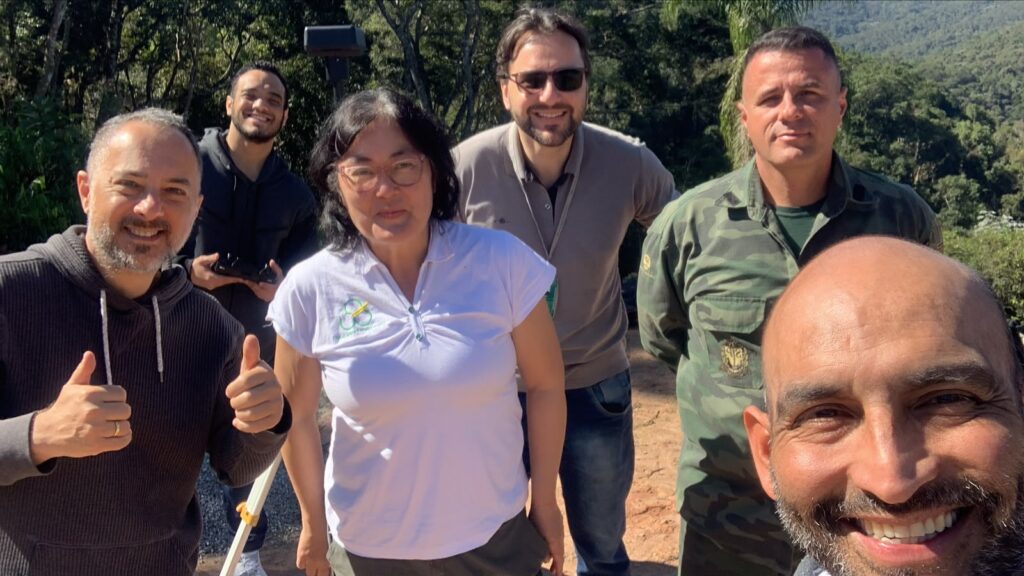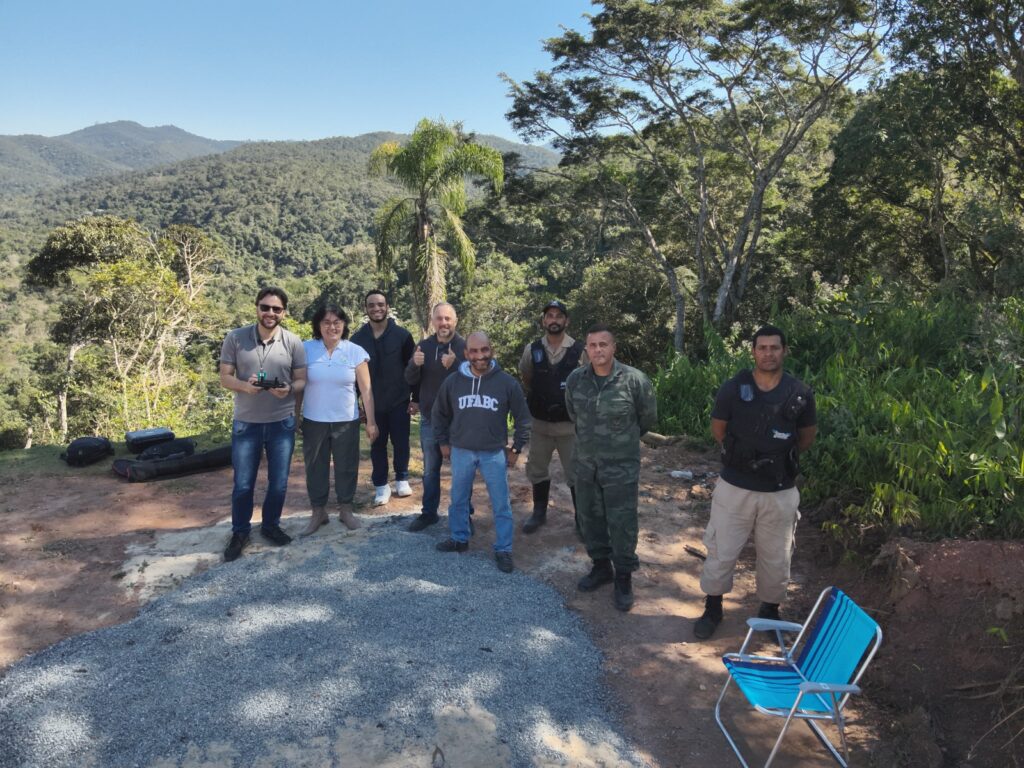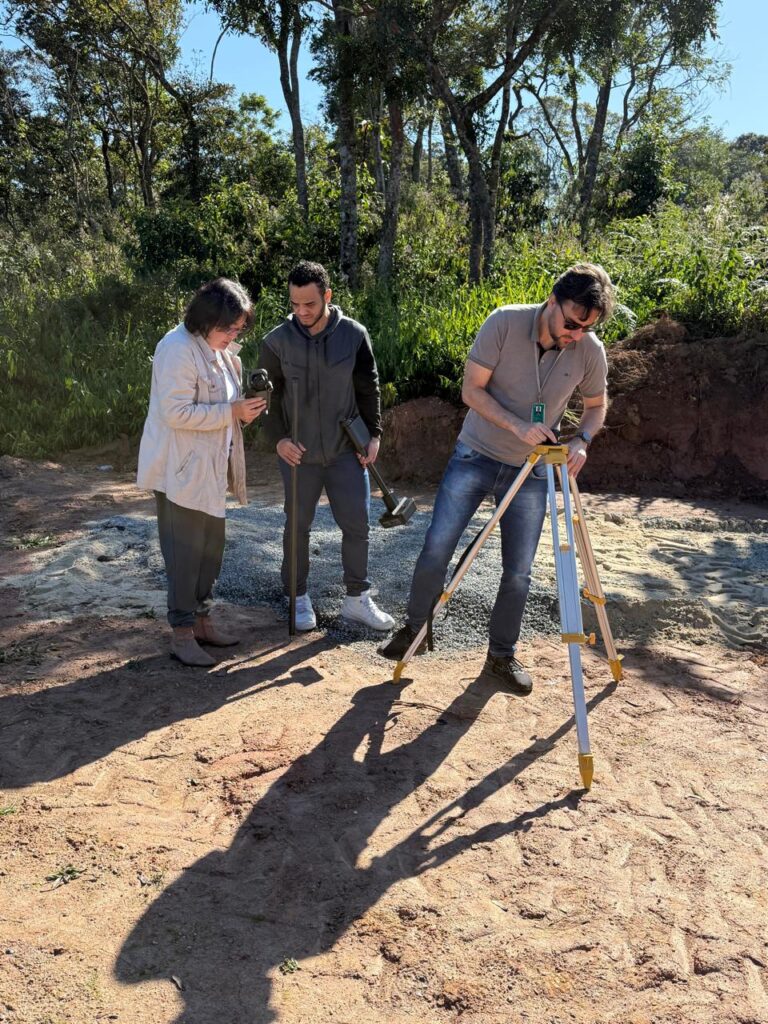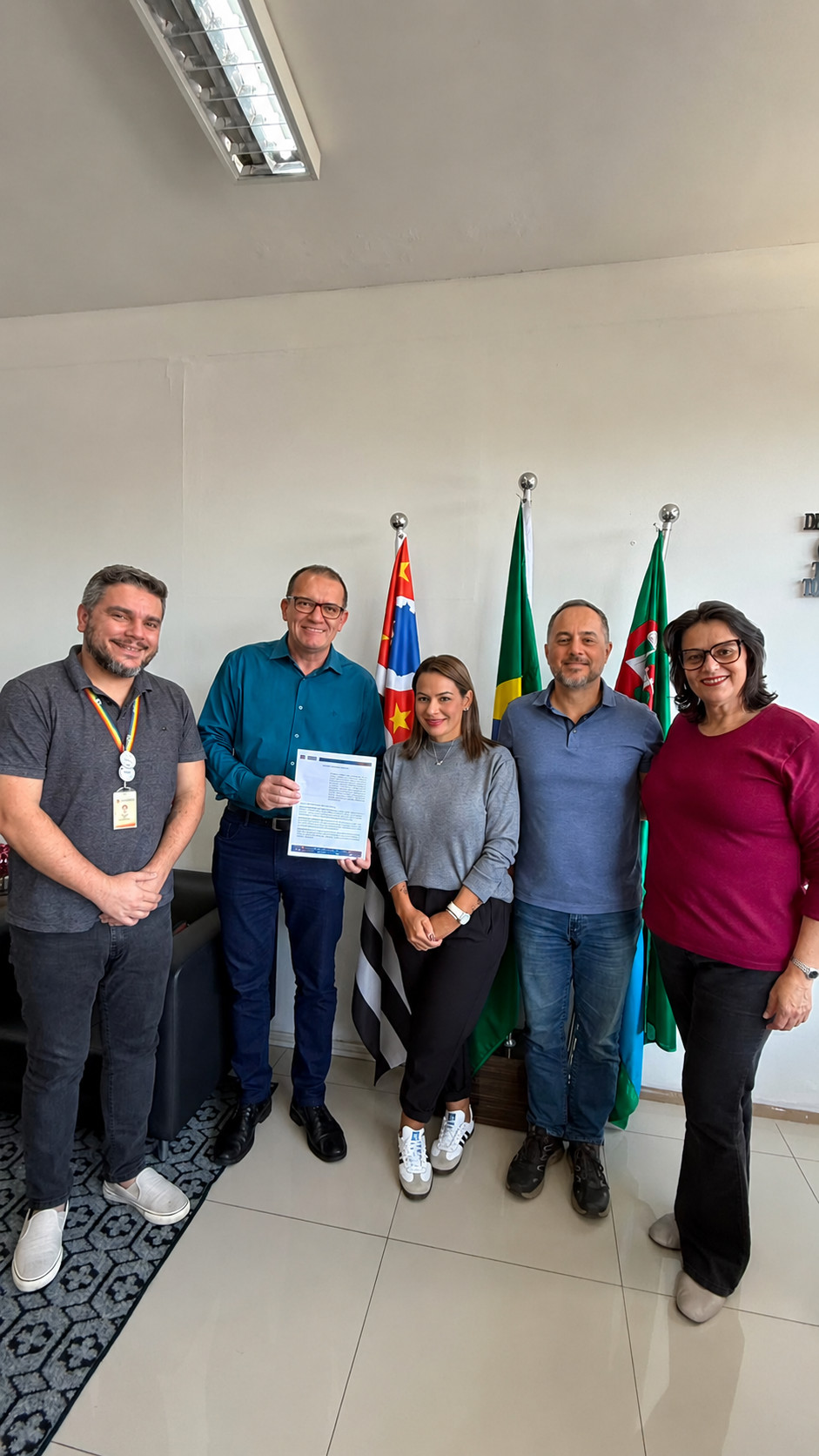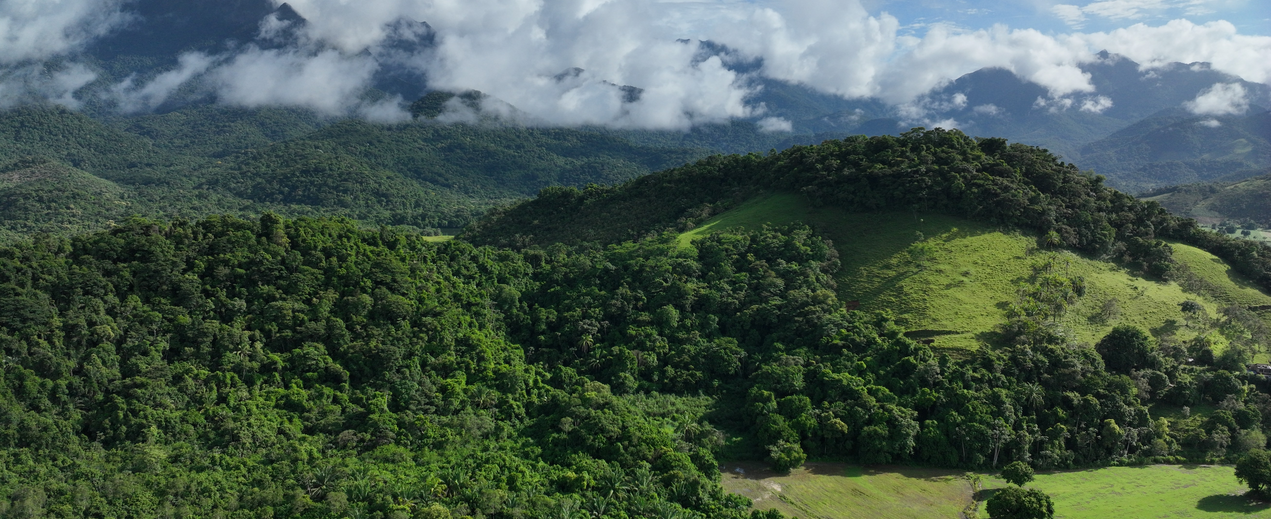
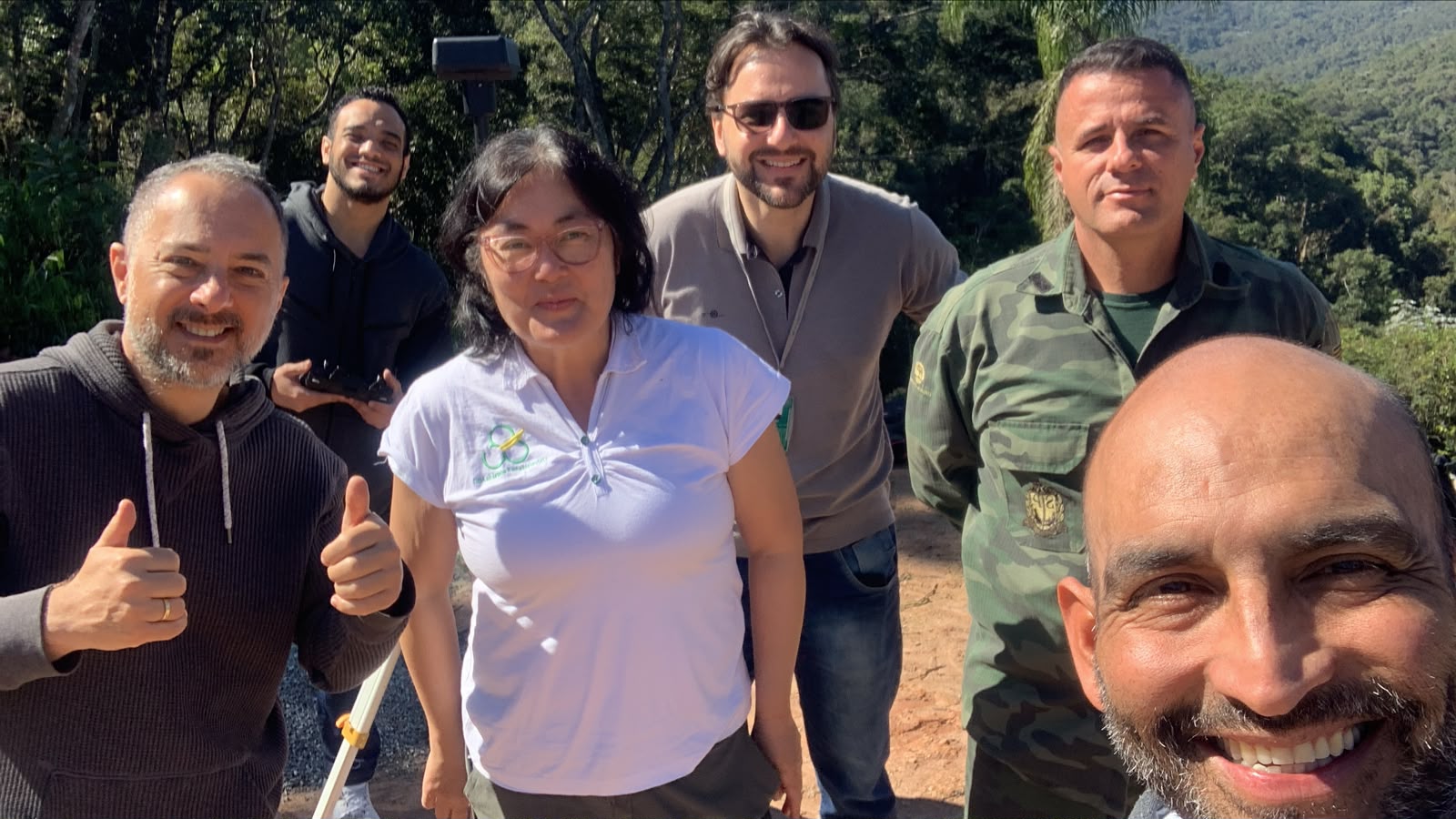
No dia 5 de agosto de 2026, equipes da Fundação Florestal e da Brazil Flying Labs realizaram uma missão com drone em uma área do Parque Estadual Itaberaba, na região de Arujá, no estado de São Paulo.
A atividade integra o acordo de parceria entre as duas instituições, voltado à realização de treinamentos, ao desenvolvimento de capacidades técnicas e à execução de missões de interesse da Fundação Florestal.
O Parque Estadual Itaberaba é uma Unidade de Conservação de Proteção Integral criada para proteger a biodiversidade e os recursos hídricos da região norte-nordeste da Serra da Cantareira. Com aproximadamente 15,1 mil hectares, seu território abrange Arujá, Guarulhos, Santa Isabel, Nazaré Paulista e Mairiporã.
Documentação da área após a intervenção
O objetivo da missão foi documentar uma área que havia passado pelo processo de demolição e remoção de construções irregulares, registrando as condições do local após a intervenção e criando uma base geoespacial para seu acompanhamento.
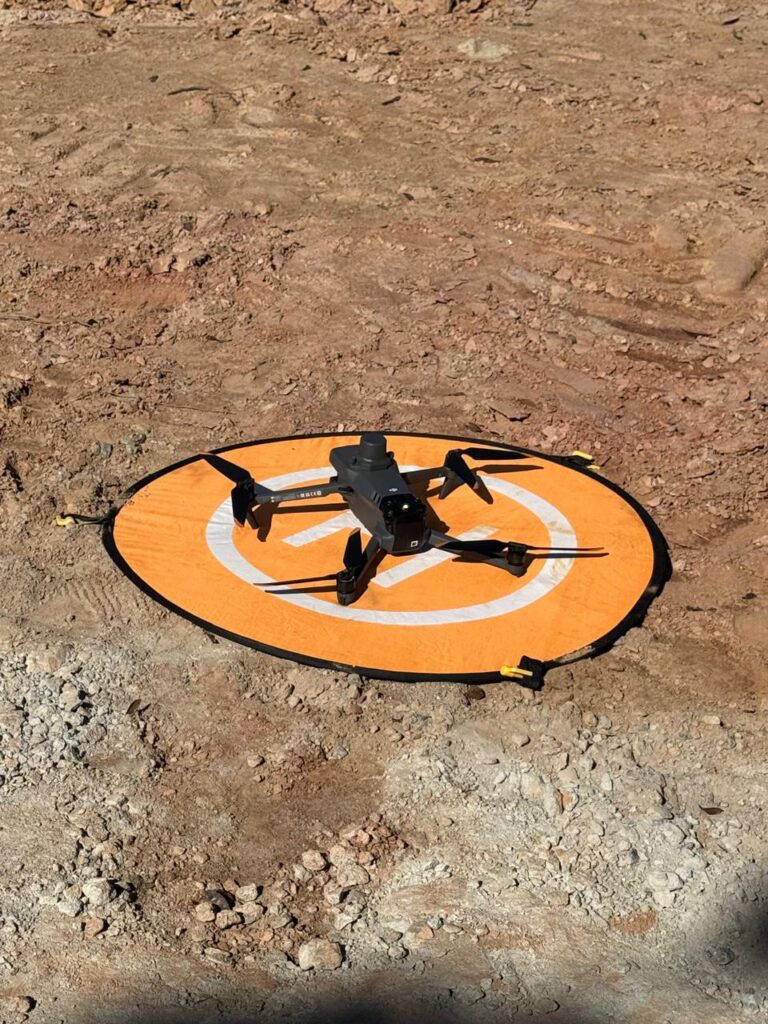
Para o levantamento, foi utilizado um drone DJI Mavic 3 Thermal — M3T, com o qual foram capturadas 566 imagens aéreas. O voo cobriu aproximadamente 38,36 hectares e alcançou um GSD médio de 3,8 centímetros por pixel, permitindo observar detalhadamente clareiras, acessos, áreas de solo exposto, vestígios de estruturas e alterações na cobertura vegetal.
O processamento gerou um ortomosaico, um Modelo Digital de Superfície e uma nuvem densa com aproximadamente 33,9 milhões de pontos tridimensionais.
Tecnologia viabilizada por diferentes parceiros
As imagens foram processadas no software PIX4Dmatic, disponibilizado no contexto da parceria global entre a WeRobotics e a Pix4D, que amplia o acesso da rede Flying Labs a ferramentas profissionais de fotogrametria, suporte técnico e capacitação.
O processamento também contou com computadores doados pela Lenovo à Brazil Flying Labs. Esses equipamentos fortalecem a infraestrutura necessária para trabalhar com grandes volumes de imagens e gerar mapas e modelos tridimensionais de alta resolução.
A missão demonstra que esse tipo de trabalho depende de uma ampla rede de colaboração. A Fundação Florestal contribui com o conhecimento territorial e as necessidades de gestão da Unidade de Conservação; a Brazil Flying Labs atua no planejamento da missão, na operação do drone e no processamento dos dados; enquanto WeRobotics, Pix4D e Lenovo apoiam o acesso ao software, à capacitação e à infraestrutura tecnológica.
Como os dados podem apoiar a Fundação Florestal
O ortomosaico representa um registro georreferenciado da situação da área e poderá ser utilizado como linha de base para futuras ações de monitoramento.
Entre as aplicações possíveis estão:
- delimitar áreas anteriormente ocupadas por construções;
- medir clareiras e superfícies de solo exposto;
- documentar os resultados da intervenção;
- acompanhar a retirada de materiais e resíduos;
- monitorar a regeneração da vegetação;
- identificar novos acessos ou indícios de ocupação irregular;
- observar processos erosivos e alterações na drenagem;
A realização de novos voos com parâmetros semelhantes permitirá comparar diferentes datas e identificar mudanças no território, como o avanço da regeneração vegetal, o surgimento de novas estruturas ou a ampliação de áreas degradadas.